How Long Do Electric Car Batteries Last? A Guide for Irish Drivers
How long do electric car batteries last? Real-world degradation data, battery warranties from Irish manufacturer websites, charging habits, replacement costs and what to check on a used EV in Ireland.
How long do electric car batteries last? It is the first question most Irish drivers ask before they buy an EV, and it matters even more when the car is second-hand. The short answer is that a modern battery is designed to last for many years and well over 160,000 km, and the latest real-world data shows most packs losing only a small share of their capacity each year. This guide explains what battery degradation really means, what the battery warranties on Irish manufacturer websites cover, how charging habits affect battery life, what a replacement can cost and what to check on a used electric car.
Quick Summary
- A large telematics study of more than 22,700 electric vehicles, published in January 2026, found average battery degradation of 2.3% per year.
- Regular rapid charging above 100 kW pushed that to up to 3.0% a year, while cars charged mostly on AC lost around 1.5% a year.
- Most battery warranties on Irish manufacturer websites run for 8 years, with mileage limits from 160,000 km to 250,000 km and a typical 70% capacity threshold. Toyota offers up to 10 years or 1,000,000 km with annual health checks.
- Full battery replacements are rare. When a fault does appear, a single module can often be replaced instead of the whole pack.
- On a used EV, check the battery health, the remaining warranty and the real range. EcoSteer is preparing a Battery Health Badge for EV and hybrid listings that will show how healthy the battery is.
How long do electric car batteries last?
An electric car battery does not suddenly stop working at a set age. It slowly loses some of the energy it can store, which shows up as a little less range on a full charge. The key measure is the battery's state of health (SoH): its usable capacity today compared with its capacity when new. A battery at 90% SoH can hold 90% of the energy it held in the showroom.
The Society of the Irish Motor Industry (SIMI) explains in its EV guide that battery makers expect packs to last the life of the vehicle and to go through more than 1,000 full charge cycles before significant degradation is noticeable. SIMI points out that with a 300 km range, that is more than 300,000 km of driving.
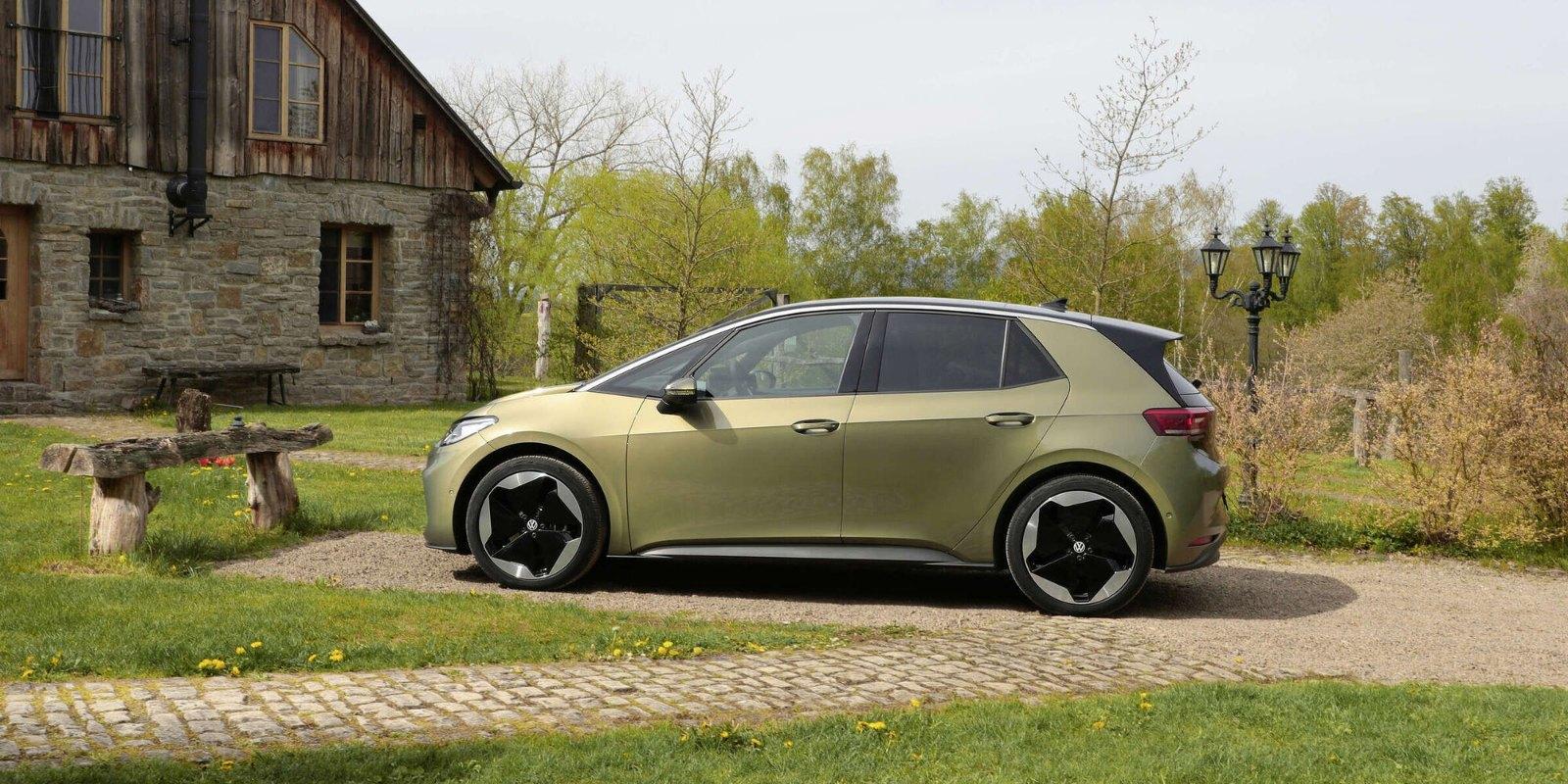
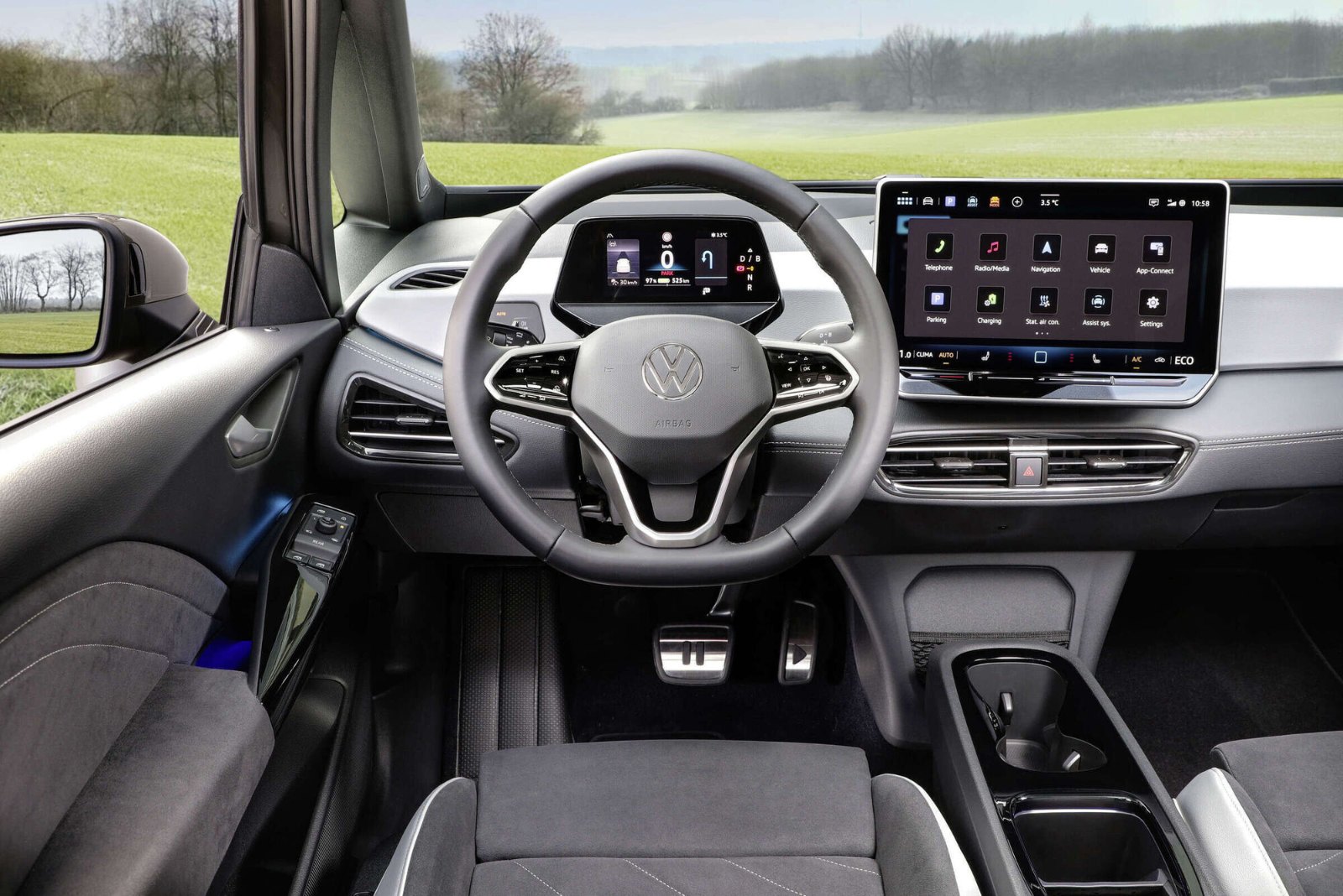
Real cars back this up. The Irish Times reported in October 2025 on a long-term test by ADAC, the German motoring club, in which a first-generation Volkswagen ID.3 covered 172,000 km in four years. Around 40% of its charging was on fast chargers and it was often left plugged in at 100%, yet the battery still had 91% of its original capacity, a result confirmed by an independent battery testing firm. That is past the 160,000 km limit of the original warranty.
EV battery degradation: what the data shows
The most useful recent figures come from a study by the telematics company Geotab, released in Dublin on 13 January 2026. It looked at more than 22,700 electric vehicles across 21 makes and models. The headline numbers were:
- Average degradation: 2.3% of capacity per year, up from 1.8% in the company's 2024 findings.
- Rapid charging: vehicles relying on DC fast charging above 100 kW degraded by up to 3.0% a year.
- AC charging: vehicles that mainly used AC or lower-power charging degraded by around 1.5% a year.
- Climate: vehicles in hotter regions degraded about 0.4% a year faster than those in mild climates.
- Heavy use: the highest-use vehicles degraded about 0.8% a year faster than the lowest-use group.
What does that mean on the road? CompleteCar.ie worked through the numbers in January 2026: a small EV such as the Renault 5 would lose about 10 km of range a year at the average rate, while a larger-battery car such as the Volkswagen ID.4 would lose about 14 km a year from its claimed range. As a simple illustration, a battery that lost exactly the 2.3% average every year would still have roughly 82% of its capacity after eight years.
Remember that these are averages across thousands of cars. Battery degradation in electric cars varies from one car to the next with charging habits, mileage and climate, which is why a battery health reading on the actual car you are buying is worth more than any average.
EV battery warranties in Ireland
Battery warranties are usually separate from, and longer than, the main warranty on the car. Most promise that the battery will keep a minimum share of its original capacity, usually 70%, for a set number of years or kilometres, whichever comes first. These are the terms we found on Irish manufacturer websites in November 2026. Always check the warranty booklet for the exact car, as terms can change between model years.
| Brand | Battery cover | Capacity threshold |
|---|---|---|
| Nissan (Leaf, Ariya) | 8 years or 160,000 km | Not stated on the Irish warranty page |
| Kia (electric and plug-in hybrid) | 8 years or 160,000 km | At least 70%; Kia also states at least 80% for the first 5 years or 100,000 km |
| Volkswagen (electric and GTE plug-in hybrid) | 8 years or 160,000 km | Capacity loss is covered only beyond the value in the owner's manual |
| Peugeot (electric) | 8 years or 160,000 km | Minimum 70% |
| Tesla | 8 years; 160,000 km (Model 3 and Model Y RWD), 192,000 km (Long Range and Performance), 240,000 km (Model S and Model X) | Minimum 70% |
| BYD | 8 years or 250,000 km | 70% state of health |
| Toyota (battery electric) | Battery Extended Care up to 10 years or 1,000,000 km, subject to an annual EV Battery Health Check in the Toyota network | 70% |
Two points matter for used buyers. First, battery warranties usually run from the date the car was first registered (Kia Ireland, for example, states this), so a three-year-old EV still has around five years of an eight-year battery warranty left. Second, some cover depends on conditions, such as Toyota's annual health check, so ask for the service and health check records. Kia also notes that capacity loss in its regular and mild hybrids is not covered by the battery warranty.
EV battery charging best practices
You cannot stop a battery from ageing, but the Geotab data and manufacturer advice point to a few habits that help keep degradation at the lower end of the range:
- Charge at home on AC when you can. Cars that mainly used AC charging lost around half as much capacity a year as cars that relied heavily on rapid charging. SIMI notes that most Irish EV owners already charge mainly at home. If you do not have a charger yet, read our guide to the SEAI home charger grant.
- Use rapid chargers when you need them, not by default. Fast charging is fine on long trips. It is the habit of relying on it every day that adds wear.
- Stop at around 80% on public rapid chargers. SIMI recommends this because charging slows down considerably after that point, so the last 20% takes longest.
- Avoid long periods at full or empty. Geotab found that using a wide state-of-charge range was not a problem in itself; the extra wear came from cars that habitually sat near 100% or near empty for long periods.
- Follow the car's own settings. Many EVs let you set a daily charge limit and a separate limit for long trips. Use the manufacturer's recommended settings.
Ireland's mild climate also helps: the hotter regions in the study saw faster degradation.
How much does an electric car battery cost to replace?
This is where the fear is usually bigger than the risk. Full battery replacements outside warranty are uncommon, and The Irish Times reported in April 2025 that a whole new battery starts from about €7,000, according to an Irish battery repair specialist in Co Kildare. Larger packs and premium models can cost considerably more, and labour is extra.
The good news is that most packs are built from modules. SIMI explains that when a fault appears, usually only the faulty module needs replacing, which is far cheaper than a whole pack. Irish battery specialists can replace individual modules, and used batteries can also be reused for home or grid storage before the materials are recycled.
For most buyers the bigger risk is not a failed battery but lower battery health than expected, which means less range than planned.
Buying a used electric car in Ireland: checking the battery
If you are looking at used electric cars for sale in Ireland, treat the battery as you would the engine and gearbox on a petrol car. Before you agree a price:
- Ask for a battery health report. Ask the seller or a main dealer for that brand for a battery health check, and ask what the state of health is as a percentage. Some brands, such as Toyota, build an annual battery health check into their battery cover.
- Check the remaining battery warranty. Work it out from the first registration date and the current mileage, and ask for the service records if the cover has conditions.
- Compare the real range with the official figure. Charge to 100% and look at the range estimate, keeping in mind that cold weather and motorway driving reduce range on any EV.
- Test the charging. Plug the car in on both a home-style AC charger and, if possible, a rapid charger, and check the charge port, flap and cables.
- Check recalls. Ask a main dealer for that brand to check the VIN for open recalls, including any battery-related campaigns.
Some older models make this easier than others. For a model-specific example, see our used Nissan Leaf buyer's guide, which covers battery health in more detail.
Battery information is also becoming part of the listing itself. EcoSteer is preparing a Battery Health Badge for EV and hybrid listings, showing how healthy the battery is as a battery health percentage, so buyers can get an idea of the battery's condition before they travel to see a car. You can read more about it in the EV battery health check guide on EcoSteer.
Is an electric car still a good buy for Irish drivers?
For most drivers, yes. Batteries are lasting longer than many buyers expect, and battery warranties cover eight years or more. A used EV with a healthy battery, some warranty left and a range that suits your driving can be a sensible buy. If you are still weighing up fuel types, our comparison of electric, hybrid and petrol cars in Ireland sets out the trade-offs.
Frequently asked questions
How long do electric car batteries last in Ireland?
Most modern EV batteries are designed to last the life of the car. SIMI says battery makers expect more than 1,000 full charge cycles before significant degradation, which is over 300,000 km for a car with a 300 km range.
How much battery capacity does an electric car lose each year?
A January 2026 study of more than 22,700 EVs found an average loss of 2.3% a year. Cars charged mainly on AC lost around 1.5% a year, while those relying on rapid charging above 100 kW lost up to 3.0%.
How much does an electric car battery cost to replace?
The Irish Times reported in April 2025 that a whole replacement battery starts from about €7,000, according to an Irish battery specialist. Often only a faulty module needs replacing, which costs much less.
Does fast charging damage an EV battery?
Occasional rapid charging is fine. Relying on DC charging above 100 kW most of the time was linked to faster degradation, up to 3.0% a year compared with around 1.5% for cars charged mainly on AC.
How can I check the battery health of a used electric car?
Ask the seller or a main dealer for a battery health report showing the state of health as a percentage, check the remaining battery warranty from the first registration date and compare the full-charge range with the official figure.
Sources
- Geotab: EV battery health and fast charging study (13 January 2026)
- CompleteCar.ie: Research shows EV batteries degrade at 2.3 per cent per year (January 2026)
- The Irish Times: What happens to your EV's battery after 100,000km (October 2025)
- The Irish Times: How long can I expect my battery to last? (April 2025)
- SIMI: Everything you always wanted to know about electric vehicles
- Nissan Ireland: Warranties
- Kia Ireland: Sportage (warranty and battery footnotes)
- Volkswagen Ireland: Warranty
- Peugeot Ireland: Battery warranties
- Tesla Ireland: Vehicle warranty
- BYD Ireland: Warranty policy
- Toyota Ireland: Battery electric
Related articles
Motor Tax Rates in Ireland 2026: CO2 Bands, Costs and How to Check
Kia Niro Ireland Buyer's Guide: Motor Tax, the Clutch Actuator Recall and Which Drivetrain to Pick
Volvo XC90 Ireland Ownership Guide: Mild Hybrid, Plug-in T8, Seven Seats and Recalls
Comments
No comments yet — be the first to join the conversation.