Free Home EV Charger in Ireland? SEAI Grant 2026 Explained
Is there a free home charger for an electric car in Ireland? How the SEAI home charger grant works in 2026: up to €300, who qualifies, the steps in order and home charging costs.
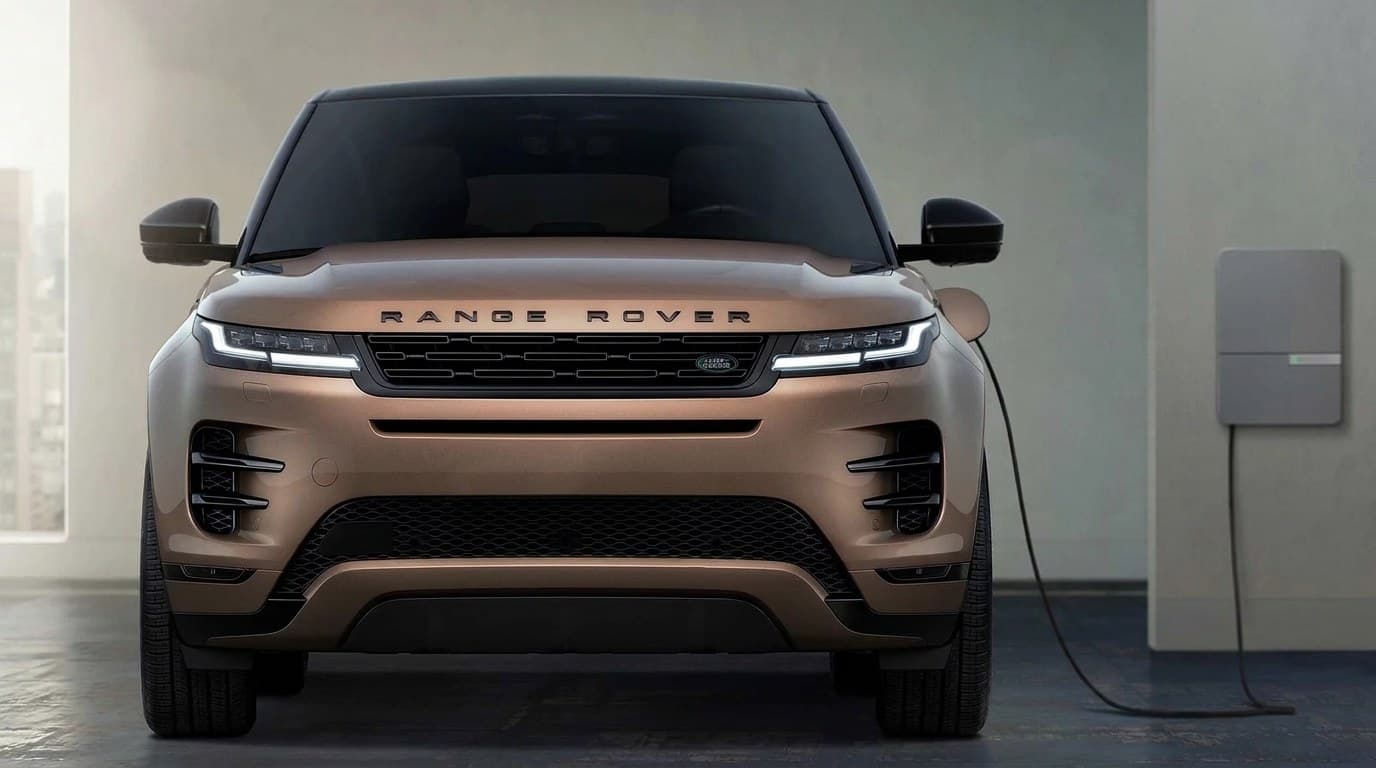
Search for a free home charger for an electric car in Ireland and you will quickly land on the SEAI home charger grant. It is real, it is still open, and for some households it can cover the whole cost. For most people, though, it is better described as a contribution of up to €300 than a free charger. This guide explains exactly what the SEAI EV home charger grant pays in 2026, who qualifies, the application steps in the right order, what is not covered, and how to work out what charging an electric car at home will actually cost you.
Quick Summary
- The SEAI EV home charger grant covers 100% of the cost of buying and installing a home charger, up to a maximum of €300.
- You do not need to own an electric car yet to apply as a homeowner.
- The charger must be a smart charger on SEAI's Smart Charger Register, installed by an electrician registered with Safe Electric Ireland.
- Do not start any work before the start date on your Letter of Offer, or you lose the grant.
- The offer is valid for six months, and payment usually arrives about four to six weeks after you send in your documents.
- Home charging cost is simple to estimate: kilowatt hours added multiplied by the unit rate on your electricity bill.
Is there a free home EV charger in Ireland?
Not as a free product. What exists is the SEAI Electric Vehicle Home Charger Grant. SEAI pays 100% of the total installation cost up to a maximum of €300, and that maximum includes both the charger and the installation. If your total quote comes in at €300 or less, the grant covers all of it and the charger is effectively free. If the quote is higher, SEAI pays €300 and you pay the rest.
The grant used to be €600 and was halved to €300, so older articles quoting €600 are out of date. Always check the figure on the SEAI website on the day you apply.
Who can get the SEAI home charger grant?
According to SEAI, the grant is open to homeowners whether they own an electric vehicle or not. That means you can get a charger fitted before your EV arrives. The main conditions are:
- Private residence with off-street parking. The home must have its own private off-street driveway, and the charger and all the works must be inside the property boundary.
- Private individual. Approvals are only given where the grant beneficiary is a private individual.
- One charger per home. Only one charger can be linked to each MPRN (the electricity meter number on your bill).
- Approved smart charger. Only chargers listed on SEAI's Smart Charger Register are supported.
- No previous grant. A property that has already been paid an EV home charge point grant, or that received the free ESB ecars home charger before 2018, is not eligible.
Apartments and shared parking
If you live in an apartment or a multi-unit development with an assigned parking space, there is a separate application route. It needs the MPRN of the landlord or of the apartment block, and the development has to appear in the drop-down list on the application. Developments that took part in the SEAI Apartment Charger Scheme can have different rules, so check with your management company first.
No driveway?
Where there is no off-street parking, SEAI only considers charger arm solutions when you can show planning evidence, either a Section 5 declaration or planning permission. Installations that need planning permission and do not have it are not eligible.
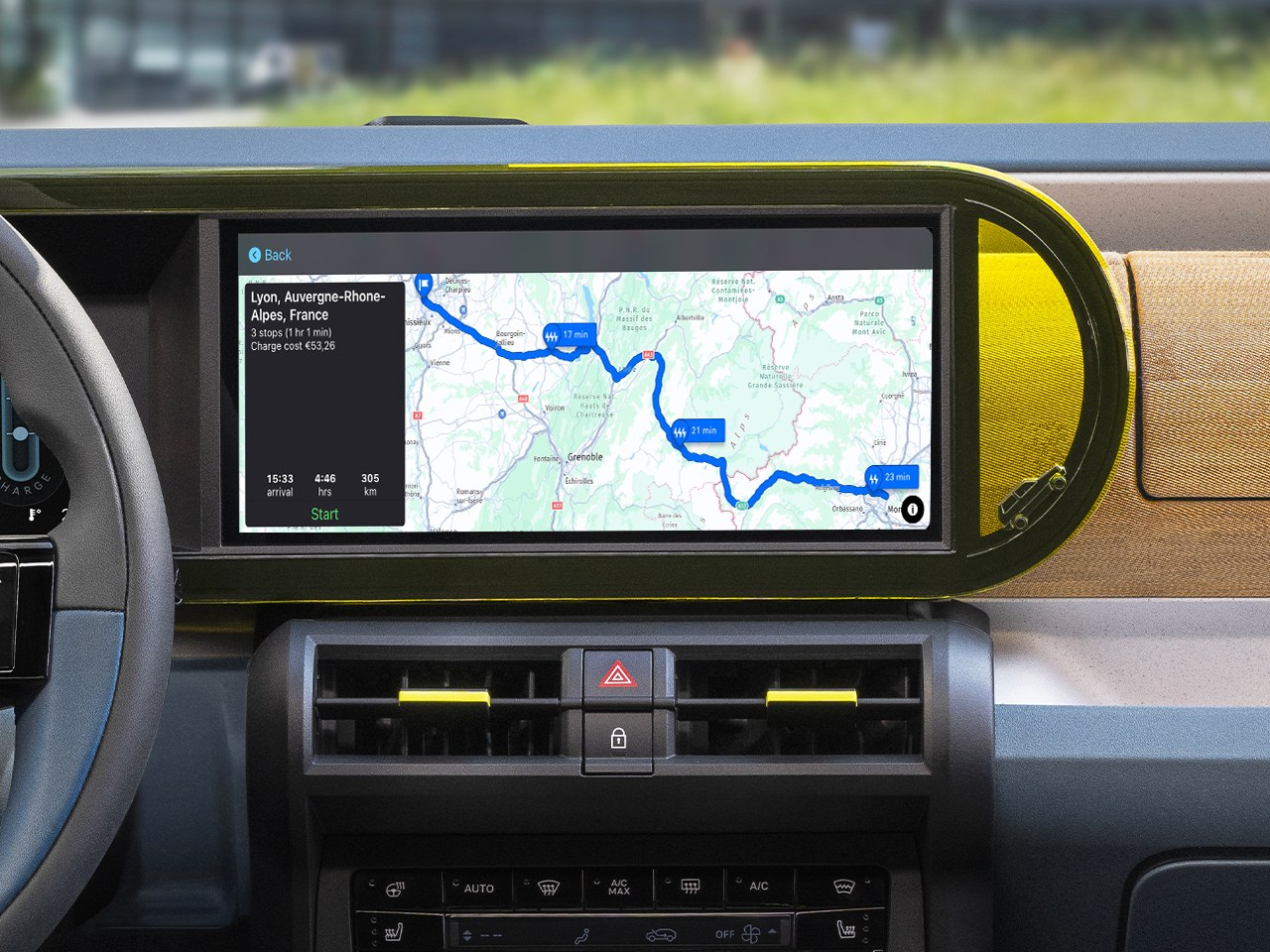
How to apply: the steps in order
The order matters, because starting work too early is the most common way to lose the grant.
- Apply online on the SEAI website. You need your MPRN and your Eircode. If an installer or another company applies on your behalf, they need your details and must first be verified with SEAI using their CRO number.
- Receive your Letter of Offer. SEAI emails the Letter of Offer, the terms and conditions and a link to the Payment Request Form. You also get an Installation Details form to give to your installer.
- Wait for the start date. Do not buy or install anything before the start date on your Letter of Offer. Works or spending before the offer is issued are not eligible.
- Get the charger installed. The work must be done by a fully qualified electrician registered with Safe Electric Ireland, who completes the Installation Details form.
- Submit the Payment Request Form. Send the signed form with your bank details, a copy of the Certificate Number 3, a copy of the test record sheet, copies of the invoices and photos of the installed charger.
- Get paid. SEAI pays by electronic transfer, usually within about four to six weeks of receiving all the documents.
The grant offer is valid for six months from the date of the Letter of Offer. All works must be finished and a valid claim received by SEAI within that time. If you need to cancel, SEAI has a cancellation form.
What the grant does not cover
- Any works or spending before the grant offer is issued.
- Electrical upgrades such as new meter tails, earthing or bonding. SEAI states that these costs are not eligible for grant support.
- Installations that need planning permission but do not have it.
When you ask for quotes, ask the electrician to list the charger, the standard installation and any extra electrical work separately. That way you can see what the €300 grant covers and what you will pay yourself.
How much does it cost to charge an electric car at home?
This is the other half of the question, and you can work it out yourself in under a minute:
Cost = kilowatt hours (kWh) added to the battery × your electricity unit rate
Your unit rate is on your electricity bill, in cent per kWh. Many suppliers offer night or EV tariffs with a lower rate during set hours, and a smart charger can be scheduled to charge in that window. For illustration only, if you add 30 kWh to a battery at a unit rate of 20 cent per kWh, the cost is 30 × €0.20 = €6.00. Swap in the rate from your own bill to get your real figure. A small amount of energy is lost during charging, so the energy drawn from the wall is a little higher than the energy that ends up in the battery.
To estimate a full charge, use the usable battery size from the manufacturer. For example, Fiat Ireland lists a 44 kWh battery for the electric Grande Panda. Multiply that by your unit rate for the cost of charging from empty to full, which most owners rarely need to do day to day.
Other running costs to factor in
An electric car with 0 g/km CO2 pays the lowest motor tax rate of €120 a year. Our motor tax rates guide has the full tables if you are comparing an EV with a petrol or hybrid car. Budget 2026 also extended the €5,000 VRT relief on electric cars until 31 December 2026, which affects the price of new and imported electric cars.
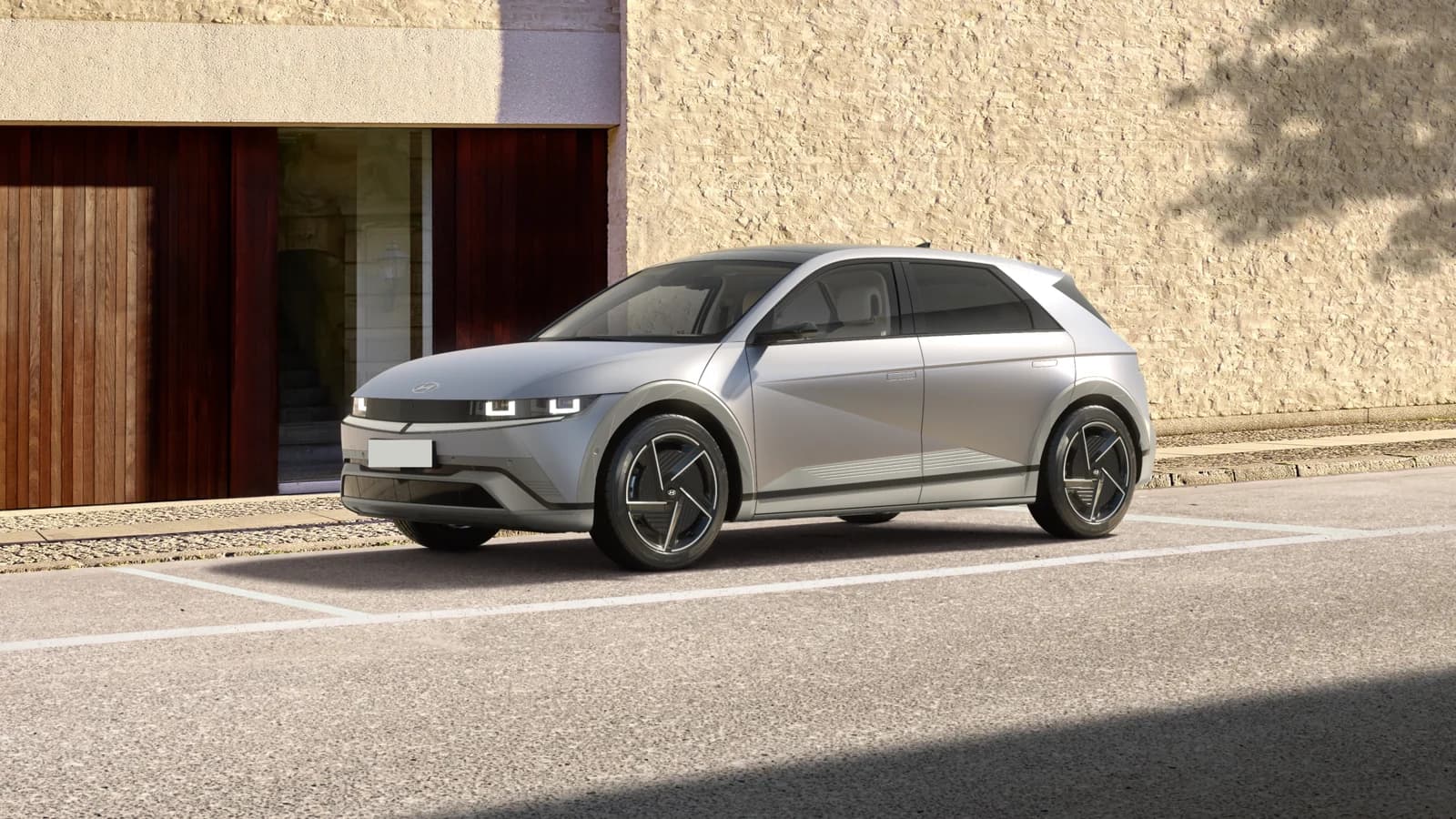
If you are still choosing a car, our buyer guides for the Hyundai IONIQ 5 and the Kia EV6 cover range and charging for two popular models. You can browse electric cars for sale on EcoSteer and plan your charger installation at the same time.
Choosing a home charger
For the grant, the only hard rule is that the charger is on SEAI's Smart Charger Register. Within that list, a few practical choices make daily life easier:
- Tethered or untethered. A tethered charger has its own cable permanently attached, so you just plug in. An untethered charger has a socket, so you use your car's own cable. Tethered is more convenient; untethered looks neater and suits households that may change car.
- Cable length and position. Measure from the planned charger spot to the charging port on your car, and think about which way you usually park.
- Scheduling in an app. Smart chargers let you set charging to start when your cheaper night or EV rate begins, which is where most of the savings come from.
- Solar panels. If you have or plan to add solar panels, ask whether the charger can use surplus solar power.
Ask your electrician to confirm the model on the register before you sign off the quote.
A quick checklist before you apply
- Do you have a private off-street driveway inside your property boundary?
- Do you have your MPRN and Eircode to hand?
- Is the charger you want on SEAI's Smart Charger Register?
- Is your electrician registered with Safe Electric Ireland?
- Have you waited for the start date on your Letter of Offer?
- Can the work be finished and claimed within six months?
Frequently Asked Questions
Can I get a free EV charger in Ireland?
The SEAI home charger grant pays 100% of the cost of the charger and installation up to €300. If your total cost is €300 or less, the grant covers all of it. Above that, you pay the difference.
Do I need to own an electric car to get the SEAI charger grant?
No. SEAI says the grant is open to homeowners whether they own an electric vehicle or not, provided the property meets the other conditions such as private off-street parking.
How long does the SEAI charger grant take to pay out?
Payment is made by electronic transfer, usually within about four to six weeks of SEAI receiving all your documents. The offer itself is valid for six months.
Can I install the charger before I get grant approval?
No. Works or spending before the grant offer is issued are not eligible. Wait for the start date on your Letter of Offer before any work begins.
How much does it cost to charge an electric car at home in Ireland?
Multiply the kilowatt hours you add by the unit rate on your electricity bill. For example, 30 kWh at 20 cent per kWh costs €6.00. Night or EV tariffs can lower the unit rate if you charge during the cheaper hours.
Sources
- SEAI: Electric vehicle home charger grant
- Fiat Ireland: Grande Panda Electric
- Autotrade.ie: Budget 2026, extension to VRT relief for electric vehicles
- SIMI: Motor tax rates on CO2 emissions
Lead photo: Land Rover press image (home wall charger). Grant details checked on 2 November 2026; always confirm current terms with SEAI before applying.

Comments
No comments yet — be the first to join the conversation.