Motor Tax Rates in Ireland 2026: CO2 Bands, Costs and How to Check
Motor tax rates in Ireland for 2026: the WLTP and NEDC CO2 bands, older engine-size rates, what EVs and hybrids pay, how to check any car by registration and how to renew online.
Motor tax is one of the few car costs in Ireland you can work out to the euro before you buy. The rate depends on when the car was first registered and, for anything from July 2008 onwards, on its CO2 emissions. This guide sets out the current motor tax rates in Ireland, explains which table applies to your car, shows how to check the exact rate for any registration number, and walks through renewing your tax online.
Quick Summary
- Cars first registered from 1 July 2008 are taxed on CO2 emissions. Older cars are taxed on engine size.
- Cars taxed under the newer WLTP bands pay from €120 a year (0 g/km) up to €2,400 a year (226 g/km and above).
- Cars registered between July 2008 and the end of 2020 use the older NEDC bands, from €120 (band A0) to €2,350 (band G).
- Electric cars pay €120 a year.
- Budget 2026 did not change private car motor tax rates.
- You can check the rate for any car by its registration number on motortax.ie, and renew online with your registration number and PIN.
Which motor tax table applies to your car?
There are three systems in use, and the one that applies is fixed by the date the car was first registered:
- First registered before 1 July 2008: taxed on engine size in cubic centimetres (cc).
- First registered from 1 July 2008 to 31 December 2020: taxed on CO2 emissions measured under the older NEDC test, in bands A0 to G.
- First registered from 1 January 2021: taxed on CO2 emissions measured under the newer WLTP test, in 16 bands. Used imports that were WLTP tested also go on this table.
The CO2 figure that matters is the one recorded for the vehicle, which you will find on the Vehicle Registration Certificate (the logbook). Fuel type does not change the rate on its own. A petrol, diesel or hybrid car with the same CO2 figure in the same table pays the same motor tax.
Motor tax rates for cars registered from 2021 (WLTP bands)
| CO2 (g/km, WLTP) | Annual rate |
|---|---|
| 0 | €120 |
| 1 to 50 | €140 |
| 51 to 80 | €150 |
| 81 to 90 | €160 |
| 91 to 100 | €170 |
| 101 to 110 | €180 |
| 111 to 120 | €190 |
| 121 to 130 | €200 |
| 131 to 140 | €210 |
| 141 to 150 | €270 |
| 151 to 160 | €280 |
| 161 to 170 | €420 |
| 171 to 190 | €600 |
| 191 to 200 | €790 |
| 201 to 225 | €1,250 |
| 226 and above | €2,400 |
The steps are small at the bottom of the table and very steep at the top. Going from 140 to 141 g/km adds €60 a year, but going from 170 to 171 g/km adds €180, and a car above 225 g/km costs €2,400 a year. Across the whole range from 91 to 140 g/km, the rate only moves from €170 to €210.
Motor tax rates for cars registered July 2008 to 2020 (NEDC bands)
| Band | CO2 (g/km, NEDC) | Annual rate |
|---|---|---|
| A0 | 0 | €120 |
| A1 | 1 to 80 | €170 |
| A2 | over 80 to 100 | €180 |
| A3 | over 100 to 110 | €190 |
| A4 | over 110 to 120 | €200 |
| B1 | over 120 to 130 | €270 |
| B2 | over 130 to 140 | €280 |
| C | over 140 to 155 | €390 |
| D | over 155 to 170 | €570 |
| E | over 170 to 190 | €750 |
| F | over 190 to 225 | €1,200 |
| G | over 225 | €2,350 |
This is the table that applies to second-hand cars first registered between mid 2008 and the end of 2020, a big share of the used market. Because the rate follows CO2 rather than engine size, an efficient older car can cost less to tax than a newer, thirstier one. When you compare two used cars, look at the band on the logbook rather than guessing from the engine size.
Motor tax for cars registered before July 2008 (engine size)
Older cars are taxed on engine capacity. Selected rates from the current table:
| Engine size | Annual rate |
|---|---|
| Up to 1,000 cc | €199 |
| 1,001 to 1,100 cc | €299 |
| 1,101 to 1,200 cc | €330 |
| 1,201 to 1,300 cc | €358 |
| 1,301 to 1,400 cc | €385 |
| 1,401 to 1,500 cc | €413 |
| 1,501 to 1,600 cc | €514 |
| 1,601 to 1,700 cc | €544 |
| 1,701 to 1,800 cc | €636 |
| 1,801 to 1,900 cc | €673 |
| 1,901 to 2,000 cc | €710 |
| 2,401 to 2,500 cc | €1,080 |
| 3,001 cc or more | €1,809 |
For a budget buyer this matters. A 1.6 litre car from before July 2008 costs €514 a year to tax, while a 2009 car with the same engine but a CO2 figure in band A4 costs €200. If you are choosing between two cheap cars either side of mid 2008, the motor tax difference can add up quickly over a few years of ownership.
What do electric and hybrid cars pay?
A fully electric car has a CO2 figure of 0 g/km, so it pays €120 a year on either table, and €120 is also the electric rate listed alongside the engine-size table. Hybrids and plug-in hybrids are not a separate category. They are taxed on their recorded CO2 figure like any other car, so a plug-in hybrid with a very low official CO2 figure can land in one of the cheapest WLTP bands, while a large hybrid SUV can sit several bands higher. Always check the actual figure for the car you are looking at. If you are thinking about going electric, our guide to the SEAI home charger grant covers the other big running cost question.
Did Budget 2026 change motor tax?
No. Budget 2026, announced in October 2025, did not change the annual motor tax rates for private cars, and the weight-based vehicle tax that had been discussed beforehand was not introduced. The budget did extend the €5,000 VRT relief for electric cars until 31 December 2026 and raised carbon tax on petrol and diesel. The rates in the tables above are the ones that apply when you tax a car now.
How to check the motor tax on any car before you buy
You do not need to rely on the seller or the advert. Motor Tax Online, the official service at motortax.ie, has a rates lookup by vehicle registration number under its Motor Tax Rates section. Enter the registration and it shows the rate that applies to that exact vehicle. The same site has a Motor Tax Status check, which tells you whether the car is currently taxed.
A sensible routine when you are viewing a used car:
- Check the registration on motortax.ie for the annual rate.
- Compare the CO2 figure on the logbook with the band the seller quoted.
- Check the tax status so you know whether there is any tax left on the disc.
- Remember that motor tax does not transfer to you when you buy the car. You tax it in your own name once the change of ownership is processed.
If you are selling rather than buying, our guide to selling a car under €3,000 covers the logbook and payment side.
How to renew your motor tax online
Renewing on motortax.ie takes a few minutes. You will need:
- Your vehicle registration number.
- Your PIN. It is printed on the renewal notice that is sent in the month your current disc expires. For a second-hand car that has been taxed before, the PIN is the last six digits of your Vehicle Registration Certificate number. For a brand new or newly imported car being taxed for the first time, it is the last six characters of the chassis number (VIN) on the RF100 form. If you have lost it, the site has a PIN retrieval option.
- An email address and a debit or credit card.
Once you pay, the disc is posted to you within four working days. If you cannot pay online, you can post your renewal to your local motor tax office or pay in person there. Payments are not accepted by phone.
Paying for 12, 6 or 3 months
You can tax a car for a year, six months or three months, but the shorter periods cost more in total. According to the Department of Transport, a half-year payment is 55.5% of the annual rate and a quarterly payment is 28.25% of the annual rate. On a car with a €200 annual rate, that is €111 for six months (€222 a year) or €56.50 for three months (€226 a year), compared with €200 paid once. If you can afford the annual payment, it is the cheapest way to pay.
Using motor tax to compare used cars
Motor tax is a fixed cost you will pay every year you own the car, so it belongs in any comparison alongside insurance and fuel. A few practical points:
- Look at the registration year first. It tells you which table applies. A late 2020 car and an early 2021 car of the same model can sit on different tables.
- Use the CO2 figure, not the engine size, for anything from July 2008 onwards.
- Watch the cliff edges. Moving from band B2 to band C on the NEDC table adds €110 a year, and from C to D adds another €180.
- Check imports carefully. A used import that was WLTP tested is taxed on the WLTP table, so its rate can differ from an Irish car of the same model and year.
Our model buyer guides list the motor tax band for popular cars, for example the Toyota Corolla buyer guide. When you have a shortlist, you can browse cars for sale on EcoSteer and check the tax band of each one before you view it.
Frequently Asked Questions
What is the cheapest motor tax rate in Ireland?
€120 a year. It applies to cars with 0 g/km CO2, which means fully electric cars, on both the WLTP and the NEDC tables.
How much is motor tax on a car with 120 g/km CO2?
It depends on the table. On the WLTP table (cars from 2021 and WLTP-tested imports) 111 to 120 g/km is €190 a year. On the NEDC table (cars from July 2008 to 2020) over 110 to 120 g/km is band A4, which is €200 a year.
Can I check motor tax by registration number?
Yes. Motor Tax Online at motortax.ie has a rates lookup by vehicle registration number, and a separate Motor Tax Status check that shows whether a vehicle is currently taxed.
Is it cheaper to pay motor tax yearly?
Yes. A half-year payment is 55.5% of the annual rate and a quarterly payment is 28.25% of the annual rate, so paying for 12 months at once is the cheapest option.
Did motor tax go up in Budget 2026?
No. Budget 2026 did not change annual motor tax rates for private cars. It extended the €5,000 VRT relief on electric cars until the end of 2026 and increased carbon tax on petrol and diesel.
Sources
- Department of Transport (gov.ie): Motor tax rates
- Motor Tax Online (motortax.ie)
- SIMI: Motor tax rates on CO2 emissions
- Autotrade.ie: Budget 2026, extension to VRT relief for electric vehicles
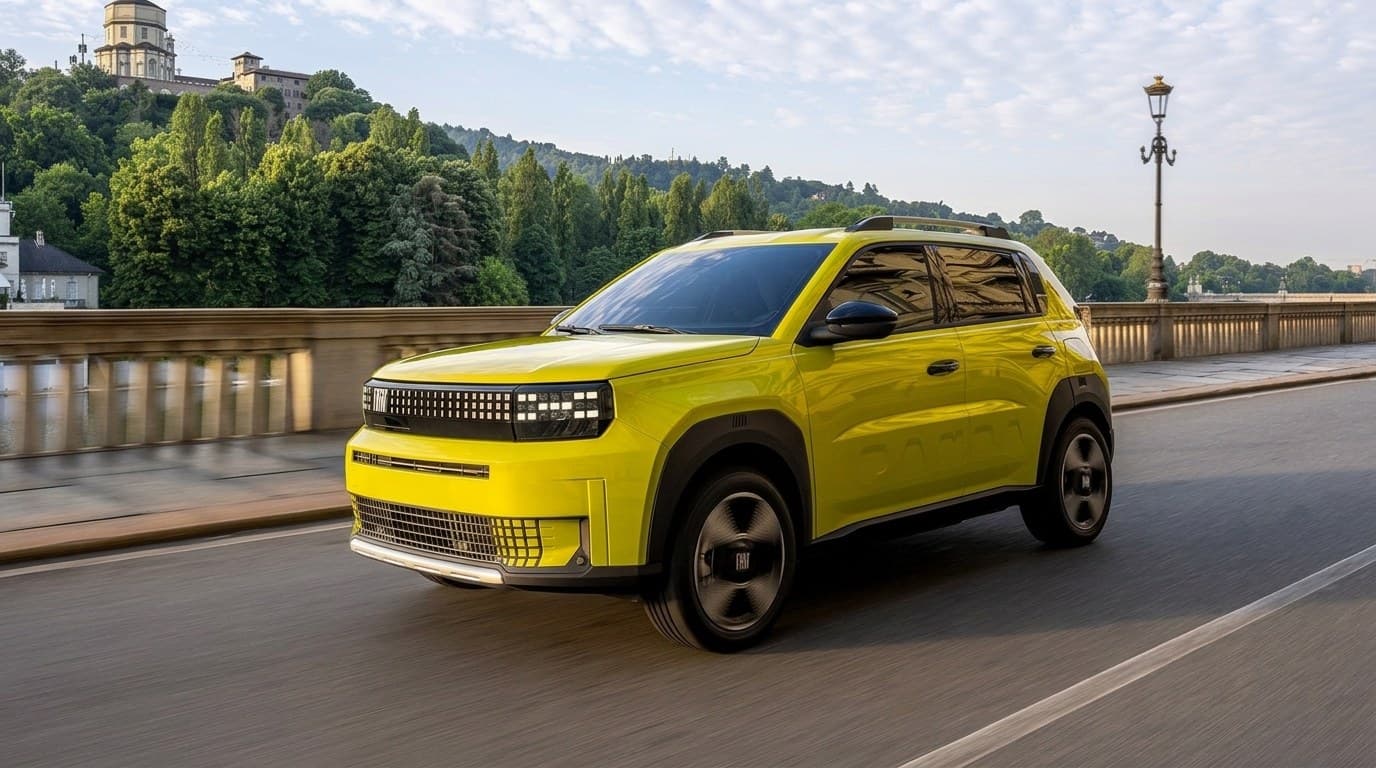
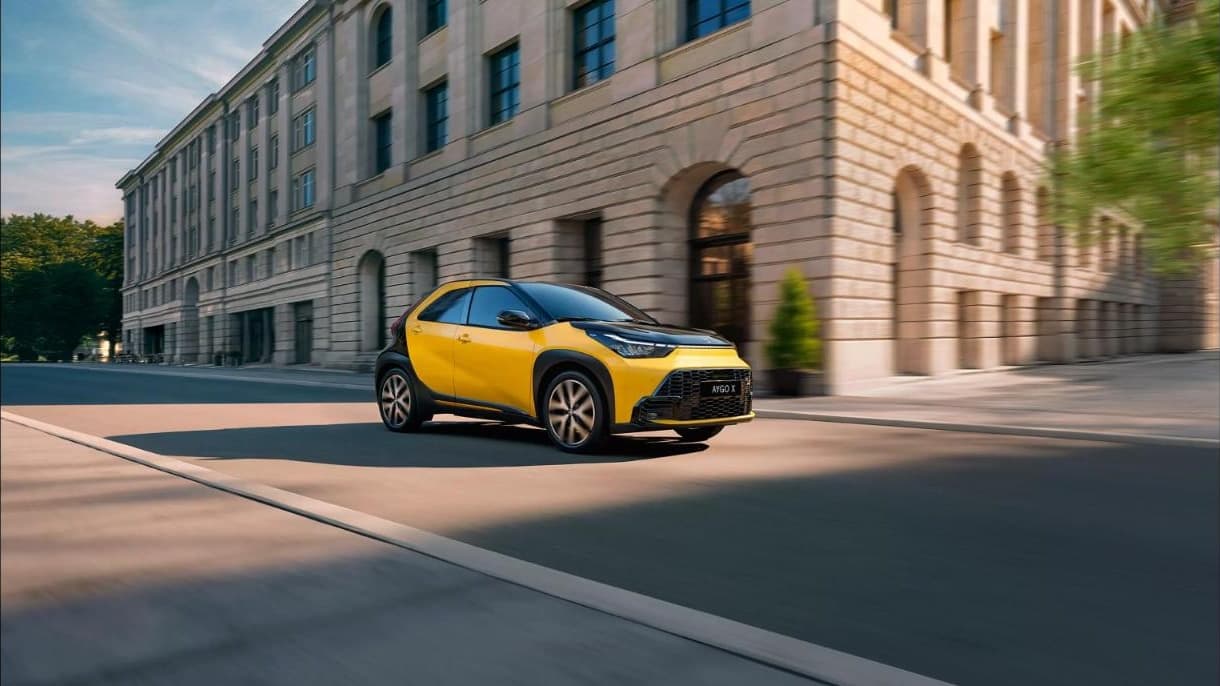
Lead photo: Fiat press image. Rates checked on 2 November 2026; always confirm the rate for a specific vehicle on motortax.ie.
Comments
No comments yet — be the first to join the conversation.