Nissan Qashqai (2007-2026) - Ireland Buyer's Guide by EcoSteer.ie
Nissan Qashqai Ireland guide: real engine specs, 2026 motor tax bands, generation-by-generation reliability, and how EcoSteer.ie helps you buy or sell one safely.
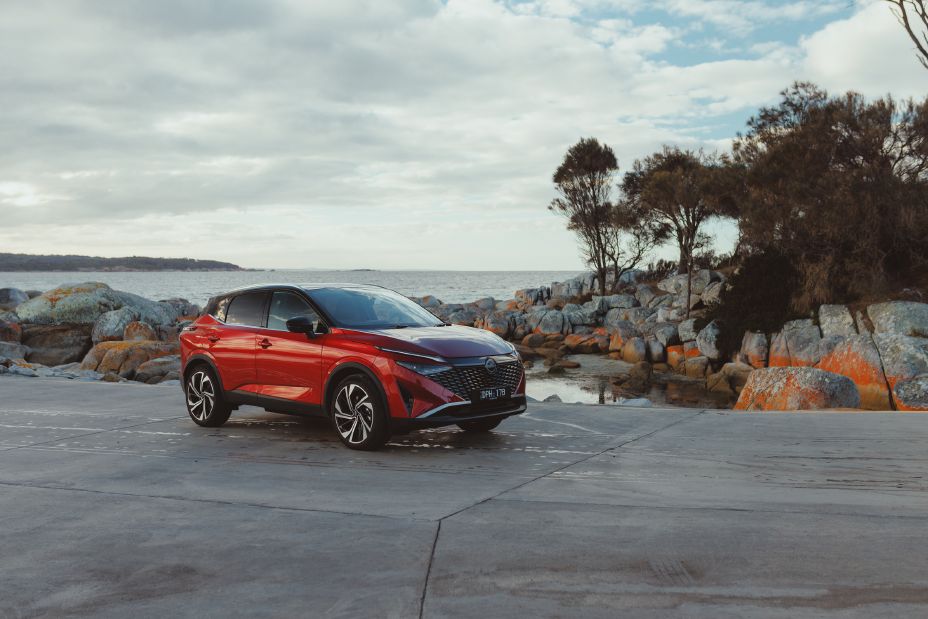
Few cars define Ireland's driveways quite like the Nissan Qashqai. It kick-started the compact-SUV boom two decades ago, and current-generation cars remain one of the most cross-shopped family SUVs on Irish forecourts. But "Qashqai" now covers three very different generations — from 2007 to today — with wildly different engines, reliability track records and running costs. Here's what actually matters if you're buying one in Ireland in 2026.
Overview
The Qashqai has been sold in Ireland across three generations: the original J10 (2007–2013), the J11 (2014–2021), and the current J12 (2021 on, facelifted in 2024 with a further e-POWER update in 2025). The J12 dropped diesel entirely, offering only petrol Mild Hybrid and Nissan's clever e-POWER petrol-electric system — both front-wheel drive only. According to Nissan Ireland's own configurator, the current range spans 140–190 HP and starts from €39,900 for the entry SV grade, rising to €52,800 for the range-topping SVE.
Engine Options
| Engine | Power / Torque | CO2 (WLTP) | Transmission |
|---|---|---|---|
| 1.3 DIG-T Mild Hybrid | up to 158PS / 270Nm | 140–145 g/km | Manual or Xtronic CVT auto |
| 1.5 e-POWER (updated 2025) | 205PS / 330Nm system output | 100–103 g/km | Single-speed, EV-style (auto only) |
| 1.5 dCi diesel (J11, pre-2021, discontinued) | 115–150PS | confirm on motortax.ie for your specific year | Manual or Xtronic CVT auto |
Figures are UK/Irish WLTP combined figures for the current J12 (AM-Online first-drive review, May 2026, and Nissan Ireland). Exact CO2 varies by grade and wheel size — always confirm the figure on your specific car's VRC or at motortax.ie before you buy.
Pros
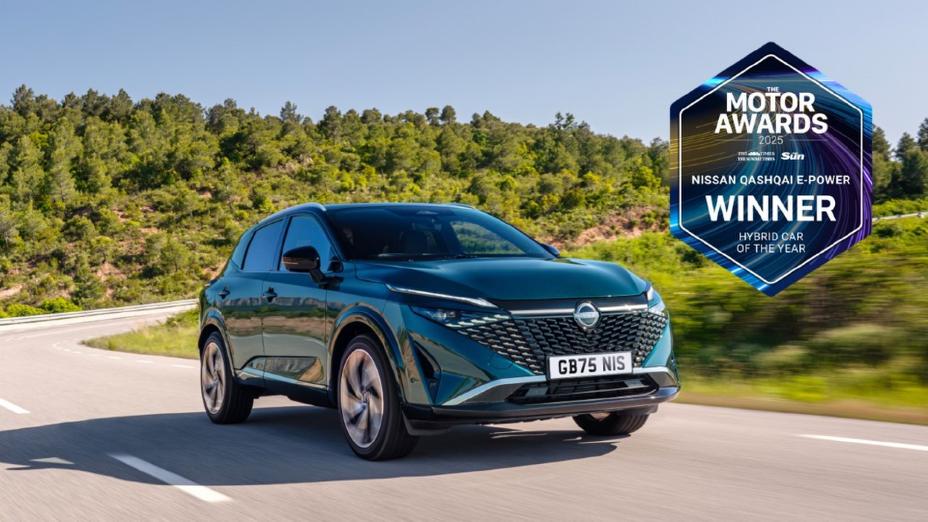
The e-POWER system genuinely drives like an EV around town — smooth, quiet and torquey — while still refuelling at any petrol station, which suits Ireland's currently patchy rural charging network. Nissan's 2025 update pushed e-POWER output to 205PS and cut WLTP CO2 to 100–103g/km, meaningfully lowering both fuel bills and motor tax versus the outgoing version. The current generation is also markedly more reliable than its predecessors, cabin quality is a step up since the 2024 facelift, and the boot (504 litres, 1,447 with seats folded) is competitive for the class. Nissan's dealer network is well established across Ireland, and the Qashqai's strong resale value keeps depreciation in check.
Cons
Diesel is gone from the range entirely, which won't suit high-mileage motorway drivers who valued the old 1.5 dCi's economy. The Mild Hybrid's real-world fuel consumption (roughly 6.2–6.4 l/100km) trails e-POWER by some margin, and Euro NCAP only awarded the current Qashqai four stars in 2025, behind some class rivals. Older J11 cars (2014–2021) carry real reliability baggage — more on that below — and buyers need to be careful not to assume a "Qashqai" badge means the same car regardless of year.
Fuel Consumption & Motor Tax (Ireland, 2026)
| Engine | WLTP Consumption | CO2 Band | Annual Motor Tax* |
|---|---|---|---|
| 1.3 Mild Hybrid 158PS | ~6.2–6.4 l/100km | 131–150 g/km | €210–€270 |
| 1.5 e-POWER 205PS | ~4.4–4.5 l/100km | 91–110 g/km | €170–€180 |
*Based on the SIMI/Revenue WLTP CO2 motor tax table for 2026 (rates unchanged since Budget 2026). Older, NEDC-tested imports and pre-2021 J11 cars are taxed on a different table and can run notably higher — used-market guides put the realistic range for the whole Qashqai line-up at roughly €190–€400/year depending on generation and engine. Always confirm the exact band for a specific car using its registration on motortax.ie.
Reliability & Common Issues (Irish Market)
Generation matters enormously with the Qashqai. The current J12 (2021 on) is a genuinely different, more dependable car than its predecessors: reported issues are mostly minor, such as rear wiper motor faults and occasional NissanConnect infotainment freezes on early cars. The e-POWER system's main known weak point is the inverter — a small number of 2022-on cars have reported reduced-power or limp-mode warnings from inverter faults, usually still under Nissan's warranty; a diagnostic scan for stored fault codes is a sensible pre-purchase check.
The outgoing J11 (2014–2021) is where most of the risk sits. Pre-2018 1.5 dCi diesels are prone to a cluster of DPF, turbo and injector faults from around 80,000km, with combined repair bills that can exceed €2,000 — a diagnostic scan and a service history free of repeat DPF warnings are essential before buying one. The same era's 1.6-petrol CVT (X-Tronic) automatic is known for developing judder under acceleration from similar mileages, with gearbox replacement running €2,500–€4,000; any shudder on a test drive should be a dealbreaker. The original J10 (2007–2013) is generally considered the one to avoid altogether, largely due to CVT automatic failures on petrol models. Across both current generations, it's also worth cycling the electric handbrake a few times on inspection, as a "handbrake malfunction" warning is a recurring minor fault. As with any used car, check for open recalls and a full NCT and service history before handing over money.
Service Network & Maintenance
Nissan maintains an established dealer network across Ireland, with main dealers in and around Dublin, Cork, Limerick, Galway and most other large towns, so parts and servicing are generally easy to access — worth confirming your nearest approved dealer via nissan.ie before buying. Service intervals differ by engine: roughly every 18,000 miles (or 12 months) for the Mild Hybrid, and every 12,500 miles (or 12 months) for e-POWER, per Nissan's official UK/Irish service schedule. New Qashqais carry Nissan's standard three-year/60,000-mile warranty; for used examples, ask whether any warranty or Nissan Assured cover remains, and always get an independent pre-purchase inspection (typically €30–€50 at an Irish garage) — particularly on any pre-2018 diesel or CVT-equipped car.
Verdict
As a new or nearly-new buy, the current Qashqai is easy to recommend: the 2025 e-POWER update in particular makes it one of the more efficient and relaxing family SUVs you can buy in Ireland, with motor tax as low as €170–€180 a year. On the used market, though, the badge alone tells you very little — a 2019 J11 dCi and a 2023 J12 e-POWER are fundamentally different ownership propositions. Budget buyers should lean toward the safer 2019–2020 J11 cars or stretch to a J12 where possible, and steer clear of pre-2018 diesels and early CVT petrols unless the service history is spotless.
Buying or Selling? Use Ecosteer
Whether you're hunting for a Qashqai or ready to move yours on, browse current Nissan listings on Ecosteer.ie to compare real Irish stock by year, engine and price. Selling privately? Vehicles under €3,000 can be listed for free on Ecosteer.ie — no commission, covering all 32 counties. Not sure who to buy from? Find a trusted dealer near you. And before you commit to any used Qashqai, it's worth learning how to check a car's full history so you're not the one who inherits someone else's DPF bill.
External Sources
- Nissan Ireland — official Qashqai pricing & specifications
- SIMI — Motor Tax Rates on CO2 Emissions (2026)
- AM-Online — 2026 Nissan Qashqai e-Power First Drive review
- CompleteCar.ie — Nissan Qashqai e-Power (2025) review: Irish pricing, 119g/km CO2 and EUR 190 motor tax
- Nissan Europe Newsroom — next-generation e-POWER Qashqai: 4.5 l/100km WLTP and CO2 cut from 116 to 102g/km
Vehicle photography courtesy of Nissan, used for editorial purposes.
Comments
No comments yet — be the first to join the conversation.