Hyundai IONIQ 5 in Ireland: Buyer's Guide 2021-2026 (Prices, Range, Charging, Used Checks)
Hyundai IONIQ 5 in Ireland: battery versions since 2021, new prices from €42,295, range and charging, €120 motor tax, SEAI grants and what to check on a used one.
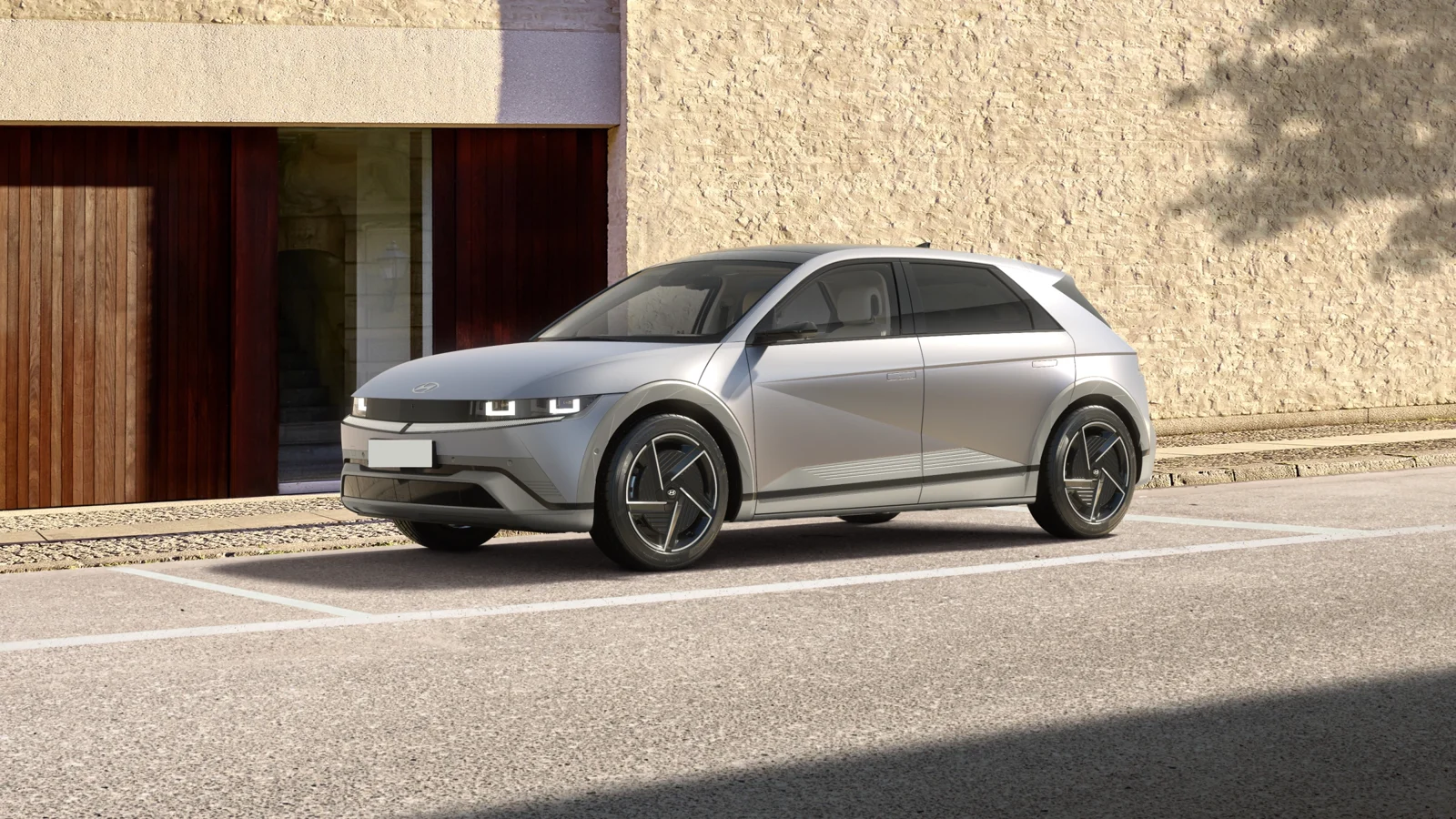
The Hyundai IONIQ 5 is a spacious electric family car, and with the first 2021 cars now several years old, buyers can choose between new and used. This guide to buying a Hyundai IONIQ 5 in Ireland covers the battery versions sold since 2021, current Irish prices, range and charging, running costs, and the checks that matter most on a used car.
Every figure below comes from Hyundai Ireland, Hyundai press material, SEAI or reputable motoring press. Where we could not confirm a number, we left it out.
Quick Summary
- Launched in Ireland in 2021 with 58 kWh and 72.6 kWh batteries, upgraded to 77.4 kWh for the 2023 model year and 84 kWh with the 2024 facelift.
- New Irish "customer pays" prices run from €42,295 (Stellar) to €52,795 (Platinum).
- Hyundai quotes up to 570 km of range for the current long range RWD car, and 10 to 80% charging in 18 minutes on a 350 kW charger.
- Electric cars pay €120 a year in Irish motor tax.
- The battery warranty is 8 years or 160,000 km from first registration.
- On a used car, ask for a battery health report and proof the 2024 charging unit (ICCU) recall work was done.
Contents
- Model years and battery versions
- Irish prices, grants and running costs
- Range and charging
- What to check on a used IONIQ 5
- Who it suits, and the alternatives
- FAQ
- Sources
Model years and battery versions (2021-2026)
The IONIQ 5 sits on Hyundai's dedicated electric platform with a 3,000 mm wheelbase, which explains the generous rear legroom. It went on sale in Ireland in 2021, and the battery has been enlarged twice since.
| Period | Battery | Claimed range (as published) |
|---|---|---|
| 2021 launch | 58 kWh | 384 km |
| 2021 launch | 72.6 kWh (RWD or AWD) | 510 km |
| 2023 model year | 77.4 kWh | 507 km WLTP (168 kW RWD) |
| 2024 facelift onwards | 84 kWh | Up to 570 km (RWD long range) |
The early figures are the claims reported at the Irish launch in 2021. Hyundai's world premiere material described range numbers as forecasts while official testing was completed, so treat any figure on an older car as a guide.
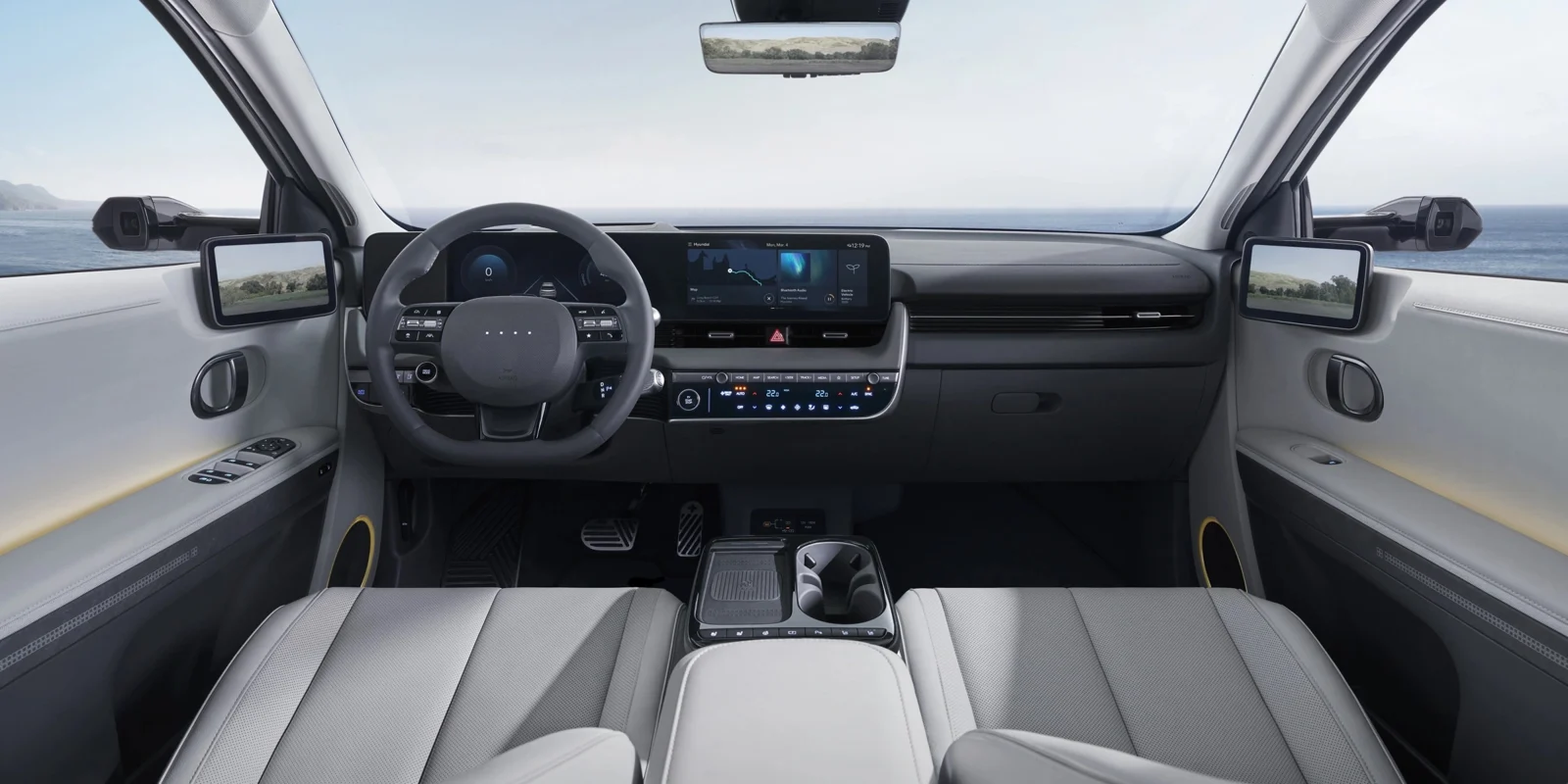
The 2024 facelift brought more than a bigger battery. Hyundai added newer infotainment with wireless Apple CarPlay and Android Auto, over-the-air software updates, and a manual switch for battery pre-conditioning before a fast charge. The car also grew 20 mm in length. Some markets got a smaller 63 kWh battery after the facelift, but the current Irish price list shows 84 kWh versions only.
The simple rule: later cars go further and get newer software, while early 58 kWh cars are the cheapest way in. To see what is available now, browse our used Hyundai cars for sale.
Irish prices, grants and running costs
Hyundai Ireland lists four trims for the facelifted car, all with the 84 kWh battery and shown as RWD on the spec page. These are its published "customer pays" prices:
| Trim | Battery | Customer pays price |
|---|---|---|
| Stellar | 84 kWh | €42,295 |
| PRO | 84 kWh | €43,445 |
| N Line | 84 kWh | €49,795 |
| Platinum | 84 kWh | €52,795 |
For context, the Irish Times reported an entry price of €37,995 for the 58 kWh car at launch in 2021, with larger battery versions from €45,000.
SEAI grants and scrappage
Ask the dealer exactly what a "customer pays" figure includes, such as delivery and any grant already deducted. SEAI's private car grant is worth up to €3,500 on approved electric cars, and cars with a full price above €60,000 or below €15,000 do not qualify. All four Irish trims are listed below that upper limit, but check the car is on SEAI's approved list.
SEAI's scrappage scheme adds €5,000 to the €3,500 grant, giving €8,500 in total. It applies only to a new EV, the scrapped car must be a petrol or diesel registered in 2013 or earlier that you have owned for at least 12 months, and dealers can submit applications from 1 July 2026. The scheme has a fixed budget.
Running costs
- Motor tax: fully electric cars pay €120 a year, under both the older band system and the post-2021 system.
- Energy: charging at home, especially on a night rate, is usually far cheaper than public fast charging. Check your own tariff, as rates vary between suppliers.
- Warranty: Hyundai Ireland gives 5 years unlimited mileage cover on privately owned cars bought from an authorised European Hyundai dealer, plus 5 years AA roadside assistance. The high-voltage battery has a separate 8 years or 160,000 km warranty, whichever comes first. All periods run from first registration.
- Tyres: this is a heavy car. Auto Express lists a kerb weight of 1,985 kg for the 84 kWh N Line, so budget for tyres.
- NCT: on a used car, check the NCT certificate and when the next test is due.
Range and charging
Hyundai Ireland quotes up to 570 km for the RWD car with the long range battery. Real range depends on speed, temperature and tyres. In an Irish winter, expect noticeably less than the official figure, especially on cold, wet motorway runs. We have not quoted a winter percentage because there is no official Irish test figure. A heat pump was standard across the range at the Irish launch, which helps in cold weather.
Public fast charging
The headline feature is the 800-volt battery system. Hyundai says the car charges from 10 to 80% in 18 minutes on a 350 kW charger, unchanged after the facelift. That needs a charger capable of that speed and a warm battery, so pre-condition before you arrive. The system is also compatible with 400V chargers and AC charging, so slower public posts work too, just more slowly.
Home charging
For most Irish owners, home charging is where the IONIQ 5 makes sense. A driveway wallbox lets you top up overnight, and you rarely need to charge from empty. SEAI offers a home charger grant of up to €300 towards buying and installing a charger, provided you have private off-street parking within your property boundary. Without a driveway, you will rely on public charging, which costs more and takes more planning.
Vehicle-to-load
The IONIQ 5 can power external devices through its vehicle-to-load (V2L) function. Hyundai quoted up to 3.6 kW at launch, enough for laptops, small tools or camping gear.
What to check on a used IONIQ 5
A used IONIQ 5 can be excellent value, but EV specific checks matter more than mileage alone. Start with our used electric cars listings and work through this list on any car you view.
- Battery health report. Ask for a state of health (SoH) report from a Hyundai dealer or a reputable battery testing service. A recent report is the best evidence of remaining usable capacity.
- ICCU recall. The Integrated Charging Control Unit charges the 12-volt battery and powers low-voltage systems. Hyundai Ireland ran a voluntary recall in 2024 covering 3,846 IONIQ 5 and IONIQ 6 cars combined. All recalled cars got a software upgrade, and some needed hardware changes. Ask a Hyundai dealer to confirm the work was completed on the car's VIN.
- Charging port and cables. Test AC and DC charging if you can, check the port flap and pins for damage, and make sure the supplied charging cable is present.
- Software updates. Ask whether the car is on current software. Facelifted cars get over-the-air updates, while earlier cars may need a dealer visit.
- Tyres and brakes. Check tread depth and look for uneven wear, which can point to alignment issues. Heavy regenerative braking means discs are used less, so check them for surface corrosion.
- Service history. Ask for stamped or digital service records, and check that recall and software work is listed.
- Warranty dates. Work out how much of the 5 year and 8 year or 160,000 km battery cover remains from first registration, and ask the seller to confirm what transfers to you.
- Battery size. Confirm the battery from the paperwork or VIN, not the badge. A 58 kWh car and a 77.4 kWh car can look almost identical.
Prefer buying from a professional seller? Use our dealer finder to locate Irish dealers near you, and ask for a battery report and recall check before you commit.
Who it suits, and the alternatives
The IONIQ 5 suits families who want a roomy, comfortable EV with a flat floor and a big boot. Hyundai quoted 531 litres at launch, rising to nearly 1,600 litres with the rear seats folded, plus front storage of up to 57 litres. Auto Express lists 520 litres for the 84 kWh facelift. It also suits drivers who do long trips and anyone who can charge at home.
It suits less well if you have no off-street parking, need to tow heavy loads often, or want a smaller car for tight town parking.
Safety is a strength. Euro NCAP awarded the IONIQ 5 its maximum five-star rating in 2021, and the current car has seven airbags, including a driver's seat centre-side airbag. You also get i-Pedal one-pedal driving and three levels of regenerative braking via steering wheel paddles. The IONIQ 5 was also named overall UK Car of the Year 2022.
Alternatives include other mid-size electric crossovers, its closely related sister models from the same parent group, and plug-in hybrids if you cannot charge at home. Compare real range, charging speed, boot size and warranty side by side, or browse all makes in our cars for sale section.
FAQ
How much is motor tax on a Hyundai IONIQ 5 in Ireland?
As a fully electric car, the IONIQ 5 pays €120 a year, the rate for zero emission cars.
What battery does a used IONIQ 5 have?
Depending on age, a 58 kWh or 72.6 kWh battery (2021 launch), 77.4 kWh (2023 model year) or 84 kWh (2024 facelift onwards). Check the paperwork or VIN to confirm.
Was the ICCU recall carried out in Ireland?
Yes. Hyundai Ireland ran a voluntary recall in 2024 for certain IONIQ 5 and IONIQ 6 models, covering 3,846 cars in total. All received a software upgrade and some needed hardware changes. A Hyundai dealer can confirm any car's status.
How long is the battery warranty?
Hyundai Ireland covers the high-voltage battery for 8 years or 160,000 km, whichever comes first, from first registration.
Can I get an SEAI grant on an IONIQ 5?
SEAI grants of up to €3,500 apply to new approved electric cars with a full price between €15,000 and €60,000, and the €5,000 scrappage top-up applies only to new EVs. The home charger grant of up to €300 is open to homeowners with off-street parking.
Sources
- Hyundai Ireland: IONIQ 5 specs, prices and performance
- Hyundai Ireland: warranty and ownership
- Hyundai press release: facelifted IONIQ 5 (2024)
- Hyundai press release: IONIQ 5 world premiere (2021)
- Hyundai press release: Euro NCAP five stars (2021)
- Hyundai newsroom: UK Car of the Year 2022
- Irish Times: IONIQ 5 review (2021)
- Completecar.ie: ICCU recall in Ireland
- Completecar.ie: motor tax explained
- Electrive: IONIQ 5 facelift and battery history
- Auto Express: IONIQ 5 84 kWh specifications
- SEAI: EV grant amounts
- SEAI: scrappage scheme
- SEAI: home charger grant
Comments
No comments yet — be the first to join the conversation.