PureTech Timing Belt Problems: Ireland Buyer Guide (2026)
The 1.0 and 1.2 PureTech timing belt runs in oil. What Stellantis officially covers, which engines qualify and what Irish used-car buyers should check before buying.

Quick Summary
- The PureTech timing belt on earlier 1.0 and 1.2 petrol engines runs in engine oil. Stellantis has acknowledged premature belt degradation and excessive oil consumption on these engines.
- Stellantis says it covers 100% of parts and labour for these issues for up to 10 years or 180,000 km (112,000 miles in the UK), under certain conditions.
- Eligibility is defined by engine and production date, not model name.
- A documented service history with the correct oil is central to every claim.
- Official recalls in other markets link belt degradation to reduced brake assistance on some Peugeot and Citroën models. Check the VIN for open recalls.
- Newer 48V hybrid versions use a timing chain instead of a belt, according to Peugeot.
If you are looking at a used Peugeot, Citroën, Opel, Vauxhall or DS with a small petrol engine, you will almost certainly come across the PureTech name, and the PureTech timing belt is the part that gets the most attention. Stellantis, the group that owns these brands, has publicly acknowledged problems with earlier versions of the engine and set up an extended cover and compensation programme. This guide sets out what the official sources say.
What the PureTech wet belt is
The timing belt keeps the crankshaft and camshafts turning in step. On the earlier PureTech 1.0 and 1.2 three-cylinder petrol engines, that belt runs inside the engine, bathed in engine oil. This is called a "wet belt" or "belt-in-oil" design, and it means the condition of the oil and the condition of the belt are closely linked.
Stellantis refers to the affected units as "previous generations of the PureTech 1.0 and 1.2 engines", also known as the EB engine family. They come in non-turbo and turbo versions and have been fitted across Peugeot, Citroën, Opel, Vauxhall and DS models.
What goes wrong with the PureTech timing belt
Official documents describe three separate problems.
1. Timing belt degradation leading to an oil pressure issue. The UK terms and conditions for the Stellantis support programme describe an "oil pressure issue caused by premature timing belt degradation". As the belt breaks down, material from it can end up in the oil.
2. Reduced brake assistance on some models. On some affected cars, the brake servo relies on a vacuum pump. Government recall records outside Ireland link belt degradation to this system:
- An Australian government recall for the Peugeot 208, 2008 and 308 (2014 to 2017) states that brake power assistance "may be lost or reduced" due to reduced vacuum caused by timing belt degradation when affected by aged engine oil. A similar recall covers the Citroën C4 and C4 Cactus (2015 to 2017).
- A second Australian recall for the Peugeot 308, 208 and 2008 (2017 to 2020) states: "The timing belt may degrade due to aged engine oil."
- A Hong Kong Transport Department recall for the Peugeot 3008 (built April 2017 to October 2020) states that timing belt degradation materials can clog and damage the vacuum pump. The remedy includes a software update, a belt inspection and, if needed, replacement of the belt, vacuum pump and oil pump.
The brakes still work, but with less assistance, so the pedal needs more effort.
3. Excessive oil consumption. Stellantis lists two documented causes on 1.2 PureTech turbo engines:
- A piston ring issue on engines before Euro 6.2, produced April 2014 to July 2018.
- An oil separator issue on Euro 6.2 and later engines, produced February 2018 to February 2023.
Oil consumption matters doubly on a wet belt engine, because aged oil is the common thread in the official recall descriptions.
Which PureTech engines and years are affected
Stellantis defines eligibility by engine type and production date rather than by model. According to the official UK terms and conditions (August 2025 version) and the matching international wording:
| Issue | Engine | Production period |
|---|---|---|
| Oil pressure issue from premature timing belt degradation | 1.0 and 1.2 PureTech non-turbo | June 2012 to June 2022 |
| Oil pressure issue from premature timing belt degradation | 1.2 PureTech turbo | April 2014 to June 2022 |
| Oil over-consumption, piston ring issue | 1.2 PureTech turbo, before Euro 6.2 | April 2014 to July 2018 |
| Oil over-consumption, oil separator issue | 1.2 PureTech turbo, Euro 6.2 and later | February 2018 to February 2023 |
Production date is not always the same as the year of first registration, so ask a Stellantis authorised dealer to confirm the engine from the VIN.
What Stellantis has offered
Stellantis has put two measures in place.
Extended cover for future repairs. Since March 2024, Stellantis says it covers "100% of the costs for up to 10 years or 180,000 kilometres for both parts and labour, under certain conditions" for excessive oil consumption and premature timing belt degradation on these engines. The Opel Ireland page carries the same 10 year or 180,000 km terms. Peugeot, Citroën and Vauxhall UK express the limit as 10 years or 112,000 miles. The period is counted from the warranty start date, which is usually the date of first registration.
Compensation for past repairs. In May 2025, Stellantis announced that owners who paid for these repairs between 1 January 2022 and 31 December 2024 may be entitled to financial compensation through its online platform at stellantis-support.com. The official conditions include:
- Servicing must have followed the manufacturer's maintenance plan, including the time or mileage interval and the oil grade, quality and quantity.
- A delay of up to 3 months or 3,000 km on a service is tolerated under the international terms (3 months or 1,800 miles in the UK).
- Proof is required: the three latest detailed service invoices before the repair, or a service book stamped by a Stellantis network repairer.
- Diagnosis and repair must have been carried out by the Stellantis authorised network.
- The claimant must be the owner, and the vehicle must have been under 10 years old and under the mileage limit at the date of repair.
How this differs by country. The international terms accept servicing "by any automotive professional", while the UK terms require a Stellantis authorised repairer. Some UK brand pages still show an older claim window ending 18 March 2024, while the latest terms run to 31 December 2024. For a car in Ireland, or one imported from the UK, confirm the terms that apply with the brand or on the official platform.
Stellantis has also introduced a "Check+" certificate for pre-owned vehicles sold through its approved network. It covers 100 points of control, including the timing belt, for cars that have followed the recommended maintenance and repairs.
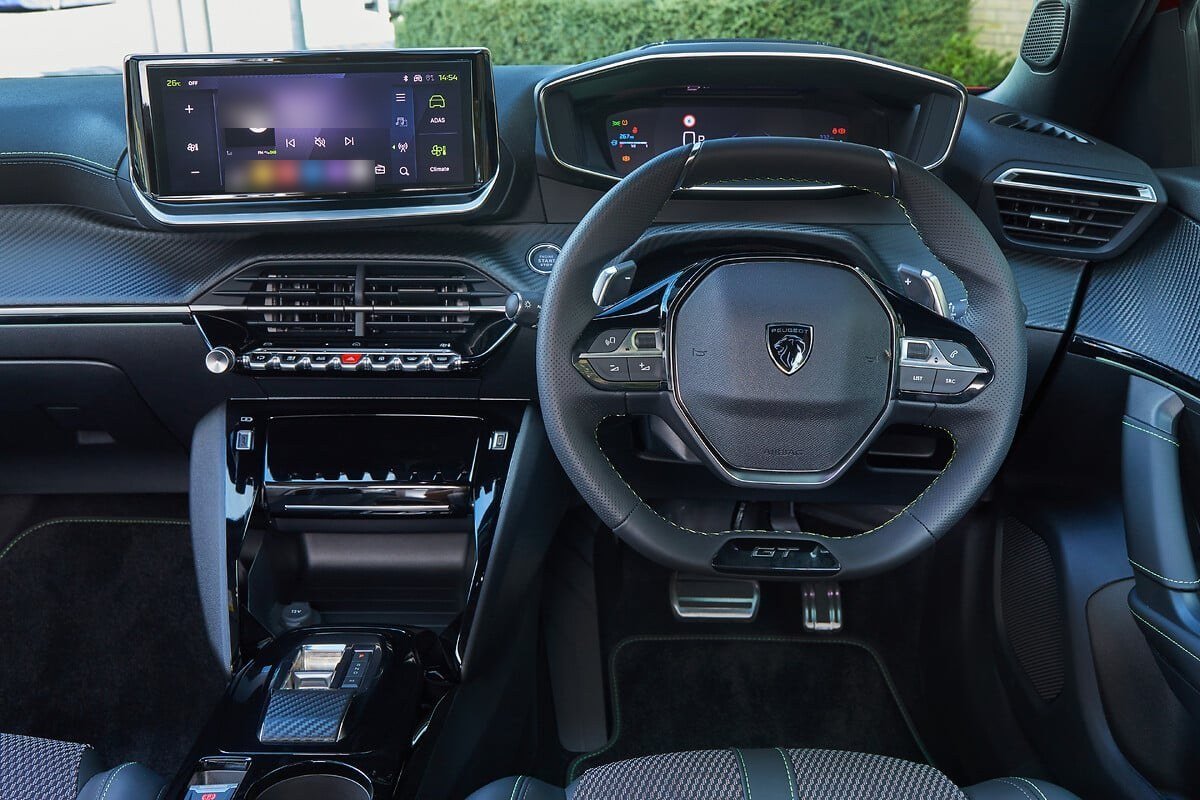
Checks before you buy a used PureTech car in Ireland
A PureTech car with a strong history can be a sensible buy. These checks help you find one.
- Full service history with invoices. Ask for itemised invoices showing the oil used, service dates and mileages. Gaps or late services matter for the engine and for any future claim.
- Correct oil specification. Peugeot says the maintenance handbook tells you exactly which oil is right for your engine. Compare the invoices against the handbook.
- Timing belt inspection or replacement record. Ask whether the belt has been inspected or replaced, when, and by whom. Peugeot Ireland notes there are no obvious signs that let you gauge timing belt wear, so paperwork matters.
- Recall check via the VIN. Ask a Stellantis authorised dealer to check the VIN for open recalls and service campaigns. Irish recalls are published by the CCPC. For a UK import, also use the DVSA recall checker on gov.uk.
- Warning lights. Make sure no warning lights stay on after start-up, particularly oil pressure or engine management lights.
- Brake pedal feel. A brake pedal that feels unusually hard on the test drive is worth investigating, given the brake assistance issue described in official recalls.
- Oil level and consumption. Check the dipstick. Ask the seller how often they top up. Peugeot Ireland advises checking the oil level regularly, every 5,000 km depending on use.
- Engine eligibility. Confirm the engine type and production date from the VIN, and whether the car is still within 10 years of first registration for the extended cover.
What about prices? Prices move week to week, so compare current listings on ecosteer.ie.
What owners should do
- Service on time with the correct oil. This protects the engine and keeps you inside the conditions for the Stellantis cover.
- Keep every invoice, ideally with digital copies.
- Check your oil level between services and note any top-ups.
- Act on warnings. If an oil pressure light comes on, or the brakes feel heavier than usual, stop when safe and contact an authorised dealer.
- Use the authorised network for diagnosis and repair of belt or oil consumption faults, as the official terms require.
- If you have already paid for a repair, check on stellantis-support.com whether claims are still being accepted.
- Respond to recall letters promptly. Recall work is carried out free of charge by authorised dealers.
Alternatives: newer PureTech engines with a timing chain
Peugeot says its newer 48V hybrid engines include "a timing chain replacing the belt, guaranteeing greater robustness", with 40% new parts. The Stellantis press release of February 2023 introducing the system described a new generation of PureTech petrol engine developed for hybridisation, with a timing chain. It launched on the Peugeot 3008 and 5008, with the 208, 2008, 308, 308 SW and 408 named to follow.
If you prefer to avoid a wet belt, ask the dealer to confirm from the VIN whether the car has the chain-driven hybrid engine. Model names alone may not tell you.
For model-specific advice, read our Peugeot 208 Ireland buyer guide and our Opel Corsa Ireland buyer guide. When you are ready to compare cars, browse used cars on EcoSteer.
FAQs
Is the PureTech timing belt problem covered by a warranty in Ireland?
Stellantis says it covers 100% of parts and labour for premature timing belt degradation and excessive oil consumption on previous generation PureTech 1.0 and 1.2 engines, for up to 10 years or 180,000 km, under certain conditions. The Opel Ireland page shows the same terms. Confirm the conditions for your specific car with an authorised dealer.
Which PureTech engines are affected by the timing belt issue?
According to the official terms, belt-related cover applies to 1.0 and 1.2 non-turbo engines produced June 2012 to June 2022 and 1.2 turbo engines produced April 2014 to June 2022. Eligibility depends on engine and production date, so check the VIN.
What service history do I need to claim?
The terms ask for the three latest detailed maintenance invoices before the repair, or a service book stamped by a Stellantis network repairer. Servicing must follow the manufacturer's intervals and oil requirements, with a small tolerance for late services.
Can a degraded PureTech timing belt affect the brakes?
Official recall records in Australia and Hong Kong state that timing belt degradation can reduce the vacuum available to the brake servo, reducing brake assistance on certain Peugeot and Citroën models. Check any car's VIN for open recalls.
Do newer PureTech engines still use a wet timing belt?
Peugeot states that its newer 48V hybrid engines use a timing chain in place of the belt. Ask a dealer to confirm from the VIN which engine a specific car has.
External sources
- Stellantis, PureTech Compensation Platform: https://www.stellantis.com/en/contacts/puretech-compensation-platform
- Stellantis Media, "Stellantis extends compensation policy for European consumers' claims on previous generations of PureTech 1.0 and 1.2 engines" (7 May 2025): https://www.media.stellantis.com/uk-en/peugeot/press/stellantis-extends-compensation-policy-for-european-consumers-claims-on-previous-generations-of-puretech-1-0-and-1-2-engines
- Peugeot UK, PureTech Terms and Conditions (August 2025): https://www.peugeot.co.uk/content/dam/peugeot/uk/b2c/owners/customer-care/2025-02-11_PureTech-Terms-and-Conditions_UK_Aug-2025.pdf
- Citroën UK, PureTech eligibility criteria (UK and international versions): https://www.citroen.co.uk/content/dam/citroen/uk/b2c/maintain/Puretech-Message-V-2-2025.pdf
- Peugeot UK, PureTech Engines, Our Solutions: https://www.peugeot.co.uk/owners/puretech-engines-solutions.html
- Vauxhall UK, Customer Support for PureTech 1.0 and 1.2 engines: https://www.vauxhall.co.uk/maintenance-services/warranties-care/customer-support-for-puretech.html
- Opel Ireland, Extended warranty for PureTech 1.0 and 1.2 engines: https://www.opel.ie/content/opel/worldwide/master/en/index/maintenance-services/warranties-care/extended-warranty-for-puretech.html
- Peugeot Ireland, Timing belt and timing belt kit services: https://www.peugeot.ie/owners/maintain-your-car/maintenance/timing-belt.html
- Peugeot Ireland, Manufacturer servicing and maintenance: https://www.peugeot.ie/owners/maintain-your-car/maintenance/manufacturer-overhaul.html
- Peugeot UK, Oil change service: https://www.peugeot.co.uk/owners/maintain-your-car/maintenance/maintenance-31.html
- Peugeot UK, 48V hybrid engine: https://www.peugeot.co.uk/about-us/brand/peugeot-magazine/48v-hybrid-engine.html
- Stellantis Media, Peugeot 3008 and 5008 Hybrid, new 48V hybrid technology (16 February 2023): https://www.media.stellantis.com/em-en/peugeot/press/peugeot-3008-5008-hybrid-peugeot-introduce-its-new-48v-hybrid-technology
- Australian Government vehicle recall REC-001136 (Peugeot 208, 2008, 308): https://www.vehiclerecalls.gov.au/recalls/rec-001136
- Australian Government vehicle recall REC-005686 (Peugeot 308, 208, 2008): https://www.vehiclerecalls.gov.au/recalls/rec-005686
- Australian Government vehicle recall REC-000213 (Citroën C4, C4 Cactus): https://www.vehiclerecalls.gov.au/recalls/rec-000213
- Hong Kong Transport Department recall notice (Peugeot 3008): https://www.td.gov.hk/filemanager/en/content_4797/10001115_e.pdf
- CCPC Ireland, Product safety and recalls: https://www.ccpc.ie/consumers/product-safety/product-safety/
- GOV.UK, Check if a vehicle, part or accessory has been recalled: https://www.gov.uk/check-vehicle-recall
Comments
No comments yet — be the first to join the conversation.